
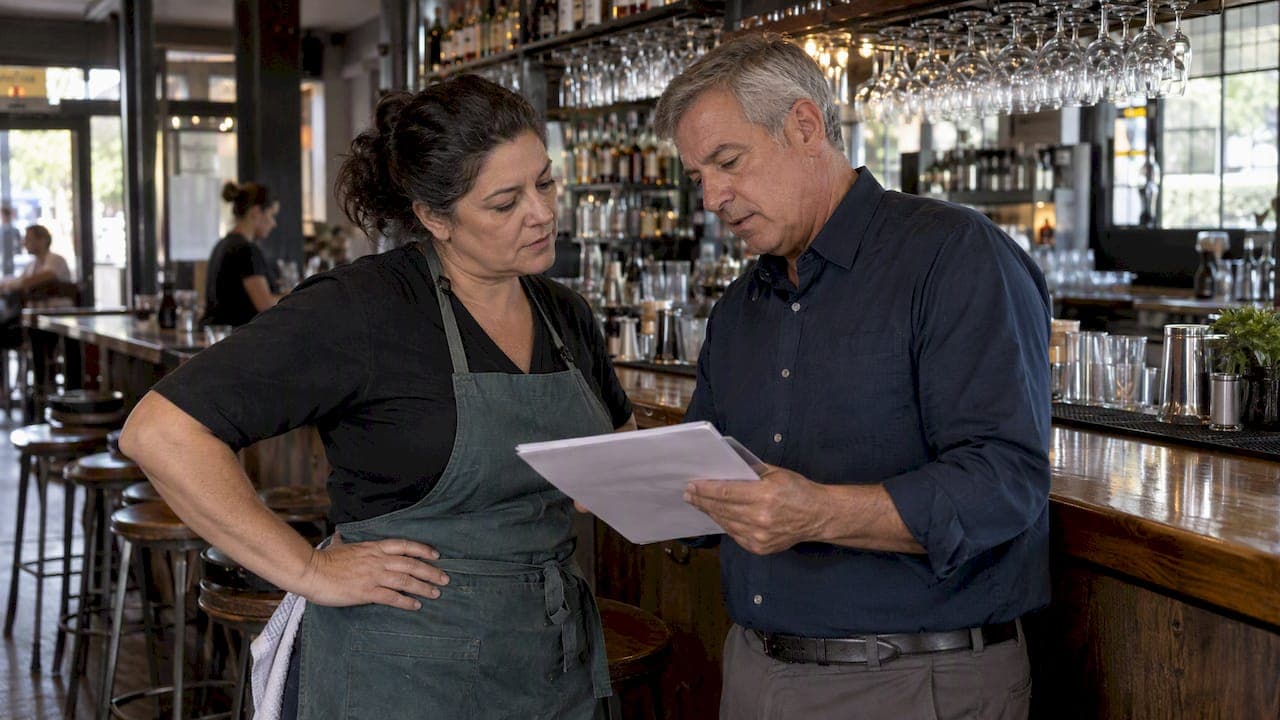
Bars, restaurants, caterers, breweries, wineries with onsite tasting rooms, and retailers that serve alcohol on premises typically need liquor liability insurance. It protects against claims for injuries, property damage, and drunk driving accidents tied to alcohol you served, and state dram shop laws can make your business civilly liable even when you followed standard procedures. Check your state's rules and request a quote or a free policy review before you pour another drink.
TL;DR:
- Standard general liability usually excludes alcohol claims once a business profits from sales, so verify an endorsement or standalone policy before assuming protection.
- Dram shop rules and licensing requirements vary by state, so check your own state's statutes and confirm whether your license or venue contract requires proof.
- Compare per occurrence and aggregate limits, then ask whether defense costs erode them; settlements above your limits remain the business's responsibility.
- Premiums rise with alcohol receipts, late night operations, broader state exposure, and prior claims; documented server training and incident logs can improve quote competitiveness.
- Policies commonly exclude intentional wrongdoing and may not cover criminal penalties for illegal sales to minors, even when they cover related civil claims.
Table of Contents
- What liquor liability insurance is and how it works
- What liquor liability policies cover and where they stop
- Who needs liquor liability insurance and why state law matters
- Typical costs and what drives liquor liability premiums
- How to lower premiums and shop for competitive quotes
- Do you need liquor liability insurance? Legal and license risks of going without it
- Buying checklist: what to confirm during a quote or a policy review
- Geneva Insurance Group's approach to liquor liability coverage
- Get a liquor liability quote or a free policy review
- FAQ
- Sources
What liquor liability insurance is and how it works
Liquor liability insurance, sometimes bought as a standalone policy and sometimes added as an endorsement to a general liability policy, covers claims that arise when alcohol you served contributes to someone's injury or property damage. Standard general liability policies generally exclude alcohol-related claims once a business profits from alcohol sales, which is why bars, restaurants, and similar venues need this coverage added separately or purchased on its own.
Claims typically come from third parties: a patron hurt in a parking lot fight, a driver struck by someone who left your bar intoxicated, or a guest injured in a fall at your venue. The injured party or their family sues the business, arguing that overserving contributed to the harm.
A typical policy includes:
- A per-occurrence limit capping what the insurer pays for a single incident.
- An aggregate limit capping total payouts across the policy period.
- Defense costs, which may be paid inside or outside those limits depending on the policy wording.
Reading the endorsement language closely matters, since defense-cost treatment changes how much coverage you actually have left for a settlement.
What liquor liability policies cover and where they stop
Picture three scenarios: a patron who drove home intoxicated and caused a collision, a bar fight that broke out after last call, and a drunk guest who damaged furniture at a private event you catered. Liquor liability insurance covers bodily injury and property damage caused by an intoxicated person after your business served them alcohol, and it can pay legal defense costs, medical bills, settlements, and judgments tied to those events.

Server training, security staffing, and incident logs are often required or discounted by insurers, and documenting them tends to make your quotes more competitive.
Coverage has limits. Common exclusions include:
- Intentional wrongdoing by an owner or employee, as opposed to negligent overserving.
- Criminal exposure from illegal sales to minors, which a policy may not indemnify even if it covers the related civil suit.
- An employee's off-duty conduct unconnected to their work at your business.
When a claim is covered, the insurer usually assigns defense counsel, negotiates or litigates the claim, and pays settlements or judgments up to your policy limits. Anything above those limits becomes the business's responsibility, which is why limit selection matters as much as the coverage itself.
Who needs liquor liability insurance and why state law matters
- Bars and nightclubs, where alcohol is the primary product and overserving risk is highest.
- Restaurants with a full bar or wine list, even when food is the main revenue source.
- Caterers and event companies serving alcohol at private functions or venues they do not own.
- Breweries, wineries, and distilleries with tasting rooms or onsite consumption.
- Liquor retailers and convenience stores that allow onsite sampling or consumption.
The legal exposure splits into two categories. Host liability applies to private individuals who serve alcohol socially, such as at a party, and is handled differently from state to state. Dram shop liability applies to commercial vendors, meaning businesses that sell or serve alcohol as part of their operations, and this is where most small business exposure sits. State dram shop statutes and case law determine when a vendor can be held civilly liable for harm an intoxicated patron causes after being served, and the rules on what counts as negligent service vary considerably by state. Because licensing conditions and dram shop rules differ, check your own state's statute rather than assuming a neighboring state's approach applies to you.
Typical costs and what drives liquor liability premiums
Sample small-business cost figures circulate in market summaries, but actual premiums depend heavily on your state, your sales mix, and your claims history, so treat any single number as a starting point rather than a quote.
The main pricing factors insurers weigh:
- Annual alcohol receipts, since higher alcohol sales as a share of revenue usually raise premiums.
- Type of operation, with nightclubs and late-night bars priced higher than restaurants with modest bar service.
- Location and state law exposure, since states with broader dram shop liability tend to carry higher rates.
- Claims history, where a clean record supports lower pricing at renewal.
- Limits and deductible chosen, since higher per-occurrence and aggregate limits raise the premium.
Risk controls like training and incident documentation materially improve quote competitiveness, according to insurer guidance on how underwriters price this coverage. A caterer who moves from occasional wine service to a full bar at every event will typically see a noticeably higher quote, since the insurer now treats alcohol as a larger share of the operation's risk profile.
How to lower premiums and shop for competitive quotes
- Document server training programs such as TIPS or ServSafe Alcohol, since insurers reward proof of formal training.
- Run a designated-driver or free-ride program and keep records showing it operates consistently.
- Keep incident logs noting refused service, altercations, and any alcohol-related issues, even minor ones.
- Staff security during peak hours, especially for venues open past midnight.
- Bundle general liability, liquor liability, and umbrella coverage with one carrier where possible, since bundled policies often price lower than separate standalone policies.
Before requesting quotes, gather your financials, a breakdown of alcohol versus food or retail sales, training records, and your prior claims history. When comparing quotes, look past the premium: check whether defense costs erode your limits, whether sublimits apply to specific claim types, and how the endorsement wording defines a covered incident.
Pro Tip: Ask every quoted carrier the same three questions, limits, defense treatment, and sublimits, so you're comparing equivalent coverage rather than just price.
Do you need liquor liability insurance? Legal and license risks of going without it
Many state and local liquor licensing authorities require proof of liquor liability coverage before issuing or renewing a license, and some landlords or event venues require it in their lease or rental agreement regardless of what the state mandates.
Operating without coverage exposes a business to:
- Fines or liquor license suspension or revocation if licensing authorities require proof of coverage you don't have.
- Full personal or business liability for settlements and judgments, since nothing absorbs the cost of a covered claim.
- Bankruptcy risk from a single large judgment tied to a drunk driving death or serious injury claim.
Multi-location operators and businesses in states with broad dram shop exposure should consult an attorney alongside their insurance agent, since licensing rules and civil liability standards compound quickly across jurisdictions.
Buying checklist: what to confirm during a quote or a policy review
- Per-occurrence and aggregate limits, and whether they match your venue's size and alcohol volume.
- Defense cost treatment, confirming whether defense is paid inside or outside the stated limits.
- Policy endorsements and sublimits, especially any caps on specific claim types like assault or property damage.
- Retroactive dates, which matter if you're switching carriers and need continuous coverage for past exposure.
- Claims handling history, asking the carrier or agent for examples of how similar liquor liability claims were resolved.
A fee-free policy review typically asks you to supply your current policy declarations, a recent alcohol sales breakdown, and any incident or claims history, then returns a plain-language summary of where your coverage holds up and where gaps remain.
Geneva Insurance Group's approach to liquor liability coverage
We compare liquor liability policies across more than 25 A-rated carriers to match small business owners with coverage suited to their actual risk, not a generic template. We provide a fee-free policy review that examines your existing liquor liability coverage, identifies potential gaps or exclusions, and looks for bundling opportunities with other coverages that may help lower your overall cost. When a claim happens, we stay involved as your advocate through the process rather than stepping back once the policy is bound.
Get a liquor liability quote or a free policy review
If you're running a bar, restaurant, catering business, or tasting room, the fastest way to know whether your coverage fits your actual risk is a free policy review. We'll look at your current limits, flag any gaps between your coverage and your state's dram shop exposure, and point out bundling opportunities that can lower your overall premium.
What this includes:
- A plain-language review of your current liquor liability limits and exclusions.
- A comparison across our carrier network to check whether you're paying more than you should.
- Claims advocacy guidance so you know what to expect if an incident happens.
Request an insurance quote to see how liquor liability coverage fits alongside your general business insurance.
This article is general information, not a substitute for advice from a qualified financial advisor. Consult a qualified financial professional about your own circumstances before acting on anything here.
FAQ
What is an example of liquor liability coverage?
A common example is a patron who drives home intoxicated after being served at your bar and causes a collision. Liquor liability insurance covers the resulting bodily injury and property damage claims, including legal defense, medical costs, and settlements tied to the incident.
How much does liquor liability insurance cost?
Cost varies by state, operation type, alcohol sales volume, and claims history, so there's no single flat rate that applies to every business. Getting a quote based on your actual alcohol receipts and location gives a far more accurate figure than any general estimate.
What are the penalties for not having liquor liability insurance?
Many liquor licensing authorities require proof of coverage, so operating without it can lead to fines or license suspension. Beyond licensing issues, an uninsured business faces full personal exposure for any settlement or judgment tied to a dram shop claim, which can be severe enough to threaten the business financially.
Does general liability insurance cover alcohol-related claims?
Standard general liability policies typically exclude alcohol-related liability once a business profits from alcohol sales, which is why liquor liability needs to be added as an endorsement or purchased separately. Checking your current general liability policy for this exclusion is a useful first step before assuming you're covered.
What should I do immediately after an alcohol-related incident at my business?
Preserve evidence quickly, including photos, witness contact information, and any available surveillance footage, since this information supports both your insurance claim and any later legal proceedings. Resources like guidance on preserving evidence after a Florida dram shop incident outline the kind of documentation that matters most in the days following an incident.