
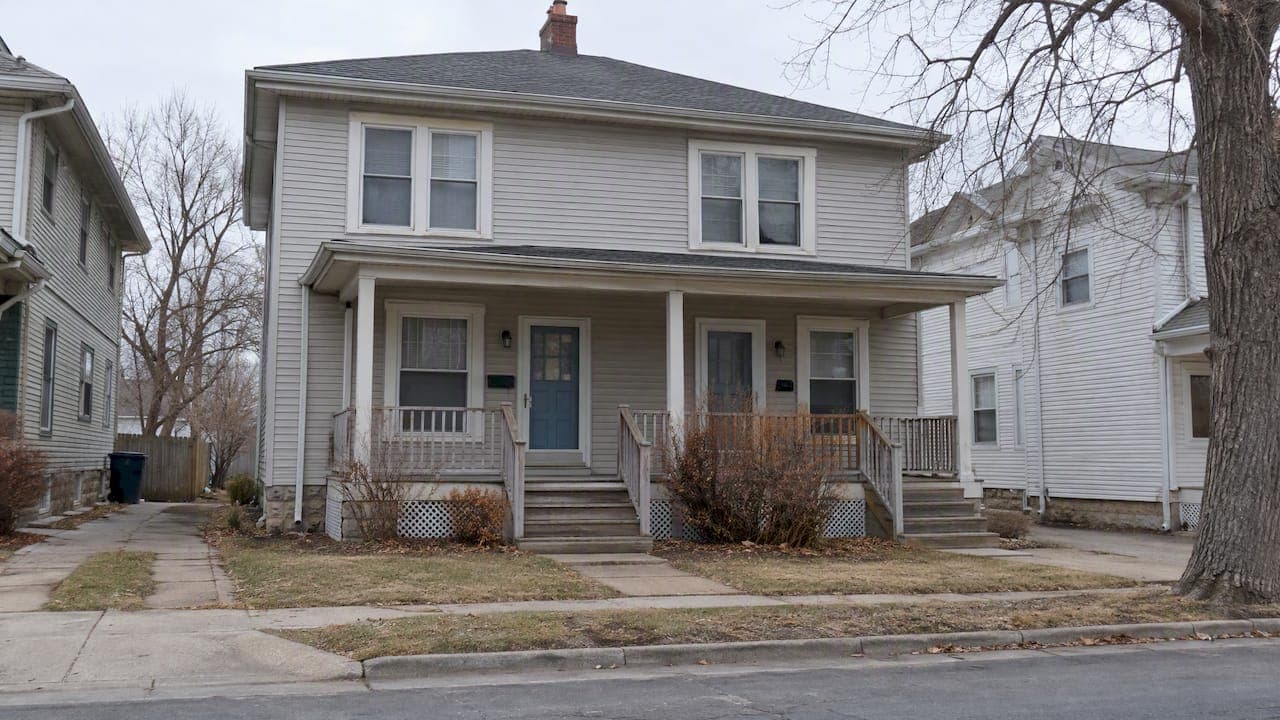
Landlord insurance covers damage to the building you own, liability for injuries on the property, and usually loss of rental income after a covered event. It does not cover your tenants' belongings, and flood and earthquake damage are typically excluded unless you buy separate coverage. Landlord-owned appliances and equipment are generally protected, but only up to the limits on your declarations page.
TL;DR:
- Check the declarations page for detached structure and appliance limits, the rent loss waiting period and cap, and the exact vacancy day count.
- Compare every quote using the same policy form, replacement cost basis, deductible, and coverage limits; otherwise, a lower premium may reflect less protection.
- NFIP flood coverage depends on community participation, and lenders can require it in designated high risk areas; earthquake coverage requires a separate policy.
- After damage, secure the property, photograph everything before cleanup, save emergency repair receipts, and track unlivable dates and lost rent for reimbursement.
- Tenant accidents may be covered, but intentional damage and gradual neglect are often excluded, so confirm how your policy treats tenant caused damage.
Table of Contents
- What does a standard landlord policy actually cover?
- Which exclusions and limits catch landlords off guard?
- How is landlord insurance different from homeowners and renters insurance?
- What drives the price of a landlord policy?
- Which endorsements and separate policies fill the biggest gaps?
- How do you choose a policy and prepare for an agent?
- What does the claims process look like?
- Are there legal requirements for landlord insurance?
- How does landlord insurance protect against tenant-caused damage?
- How do you spot coverage gaps during a policy review?
- Why a policy review is worth your time
- Get a free policy review from Geneva Insurance Group
- FAQ
- Sources
What does a standard landlord policy actually cover?
Start with your declarations page. It lists each coverage and its limit, and a standard landlord policy usually has several pieces:
- Dwelling: pays to repair or rebuild the structure after a covered event such as fire, wind or vandalism. Policies are either named perils, meaning only the listed causes are covered, or open perils, meaning everything is covered unless excluded.
- Other structures: detached garages, sheds and fences, usually with a limit set as a share of the dwelling limit. Check the number, because a large detached garage can exceed it.
- Landlord-owned personal property: the refrigerator, stove, washer, lawn mower and maintenance tools you own and leave on site. Limits here are often modest, so add up what you actually own.
- Liability: covers medical payments when a visitor or tenant is hurt, plus legal defense costs and settlements, up to your limit. A slip on an icy walkway is the classic example.
- Loss of rent: also called fair rental value. If a covered loss makes the unit unlivable, the policy replaces rent you would have collected while repairs are underway. It does not apply when the loss itself is excluded.
Read the wording on each one. A policy that looks complete can hide a low contents limit or a short rent-loss period, and those gaps only show up when you map every line to your actual property.
Which exclusions and limits catch landlords off guard?
Most denied claims trace back to a handful of exclusions. Know them before you need to file.
- Flood and earthquake: commonly excluded. The usual fix is a separate flood policy through the National Flood Insurance Program or a private carrier, and a separate earthquake policy.
- Wear and tear: a roof that slowly fails, rotting pipes and gradual deterioration are maintenance, not insurable events.
- Tenant belongings: your policy does not protect what tenants own. That is their job, and renters insurance exists for it.
- Vacancy and intentional damage: many policies reduce or void coverage once a unit sits empty past a set number of days, and deliberate damage is excluded. Our guide on vacant home insurance gaps explains how to close that window.
Pro Tip: Ask your agent for the exact vacancy definition and day count in writing, since turnover between tenants can quietly trigger it.
How is landlord insurance different from homeowners and renters insurance?
If you moved out of your home and rented it, a standard homeowners policy may no longer fit. The Insurance Information Institute advises owners to contact an insurance professional before renting, because a standard homeowners policy is rarely sufficient for rental use.
- Landlord policy: protects you and the structure, including rent loss and liability tied to the rental.
- Homeowners policy: built for an owner who lives in the home, and it may exclude or limit rental use.
- Renters policy: protects tenants' possessions, liability and additional living expenses, not the building, and it does not cover flood or earthquake without separate coverage.
- Lenders and leases: mortgage lenders and lease agreements sometimes require landlord-level coverage, so confirm before you sign anything.
Encouraging tenants to carry renters insurance also shifts everyday losses like stolen electronics off your plate.
What drives the price of a landlord policy?
Several factors move your premium, and knowing them lets you compare quotes fairly.
- Replacement cost vs actual cash value: replacement cost pays to rebuild at today's prices, while actual cash value subtracts depreciation. The first costs more and protects more.
- Policy form: dwelling fire forms come in DP1, DP2 and DP3. DP3 is the most comprehensive of the common residential forms, which affects both covered perils and price.
- Property and location: weather risk, construction type, age, security features and claims history all feed the rate.
- Deductible and limits: a higher deductible lowers the premium, and higher limits raise it.
The independent landlord-focused view is useful background here: this investor overview of landlord insurance companies also touches on lender-required coverage.
Pro Tip: Ask every carrier to quote the same form, the same replacement cost basis, the same deductible and the same limits, otherwise the prices are not comparable.
Which endorsements and separate policies fill the biggest gaps?
A few add-ons close the most expensive holes:
- Flood: the NFIP lets owners in participating communities buy flood insurance, and the program's manual notes that private insurers may sell NFIP policies under the Write Your Own program.
- Water backup: covers sewer or drain backups that a base policy often excludes. See our page on water backup coverage.
- Umbrella liability: adds higher limits when a severe injury claim could exceed your primary policy. Our umbrella insurance option is built for this.
- Ordinance or law: pays the extra cost when building codes force upgrades during a rebuild.
- Loss of rent and extra expense: read the waiting period and the maximum payout wording closely.
NFIP policies use Standard Flood Insurance Policy forms, and the manual explains that eligibility depends on a property's location and insurability criteria. The Dwelling, General Property and RCBAP forms fit different residential and non-residential risks.
How do you choose a policy and prepare for an agent?
Gather your facts first, then ask pointed questions.
- Collect the property address, photos, age and construction details.
- List every appliance and piece of equipment you own on site.
- Pull your current declarations page and a copy of the lease.
- Write down any recent claims.
- Ask about vacancy rules, covered perils, contents limits, the loss-of-rent waiting period, replacement cost vs actual cash value, and available endorsements.
An independent broker can compare carriers side by side, and a fee-free review often surfaces affordable add-ons or overlooked gaps. Ask early about flood and earthquake quotes, and confirm whether your community participates in the NFIP.
Pro Tip: Bring your lease. Its insurance and maintenance clauses tell an agent which risks you carry and which sit with the tenant.
What does the claims process look like?
Speed and documentation decide how smoothly a claim goes. Make the property safe first, then take reasonable steps to prevent further damage, such as tarping a roof or shutting off water. Keep receipts for those emergency repairs.

Next, report the loss to your carrier or agent promptly. Photograph and video everything before you clean up, and keep damaged items if you can. Give the adjuster your declarations page, the lease, maintenance records and any contractor estimates.
Expect an adjuster to inspect the property, review the cause of loss against your policy, and issue a decision. If you have loss of rent coverage, track the dates the unit was unlivable and the rent you would have collected, since payout depends on that record.
Questions about a denial or a low estimate are normal. Ask for the decision in writing, point to the policy language you believe applies, and keep a log of every call. Having an independent agency on your side matters most at this stage, and our team provides claims advocacy so you are not negotiating alone.
Are there legal requirements for landlord insurance?
There is generally no single law that forces every landlord to carry insurance, but practical requirements are everywhere. Mortgage lenders typically require property coverage on the building and often list themselves on the policy. Some commercial loans, condo or homeowners association rules and municipal rental licensing programs add their own conditions.
Rules vary by state and by city, so confirm what applies to your property with your lender, your local rental licensing office and a licensed professional. We do not assert that a specific requirement applies in your area without that check.
Flood is the clearest example of a rule-driven purchase. The NFIP exists so property owners in participating communities can buy flood insurance, and lenders in designated high-risk areas can require it. FEMA's NFIP manual describes how the program and its policy forms work.
Leases can also create obligations. If your lease promises certain repairs or requires tenants to carry renters insurance, make sure your own coverage matches those promises. A mismatch between what the lease says and what your policy pays is a common source of disputes.
How does landlord insurance protect against tenant-caused damage?
Landlord insurance responds to sudden, accidental damage that falls within covered perils, even when a tenant causes it. A tenant who leaves a stove burner on and starts a kitchen fire has triggered a covered event, and the dwelling coverage pays for repairs, subject to your deductible.
Accidents are different from neglect and intent. Deliberate damage by a tenant is excluded, and so is gradual damage from ignored maintenance, such as pet urine soaking subfloors over time or mold from a persistent leak nobody reported. Many policies also limit or exclude theft and vandalism by tenants themselves, so ask how your form treats it.
Liability matters as well. If a tenant's guest is injured on a defective stair, your liability coverage handles medical payments and defense costs up to your limit.
Security deposits cover some losses insurance will not, like unpaid rent beyond the deposit or routine turnover cleaning. Treat insurance and the deposit as two layers, not substitutes.
Finally, encourage renters insurance. A tenant's policy covers their belongings and personal liability, which keeps smaller losses from landing on you. Good screening, written move-in condition reports and prompt maintenance requests reduce disputes about who caused what.
How do you spot coverage gaps during a policy review?
Work through your policy like a checklist, matching each coverage to a real exposure.
Start with limits. Compare the dwelling limit to what it would cost to rebuild today, not what you paid or what the lot is worth. Rebuild costs shift, and a stale number leaves you short at claim time.
Then check the perils. Is your form named perils or open perils, and which causes of loss are excluded? Confirm flood, earthquake and sewer backup are covered elsewhere or deliberately skipped.
Look at income protection next. What is the waiting period for loss of rent, and is there a cap on the number of months? Also test the vacancy clause against your typical turnover.
Review liability. If a single serious injury could exceed your limit, an umbrella may be worth a quote.
Finally, look for overlap and conflict: personal policies that duplicate each other, a property held in an LLC while the policy names you personally, or an old policy still listing owner-occupancy. A free annual insurance review is a good way to surface these mismatches before a claim does.
Why a policy review is worth your time
Policies drift. Properties change, rents rise, and coverage that once fit can leave holes today. A review often turns up missing endorsements, mismatched limits or overlapping coverage that quietly costs money. Because we compare options from many A-rated carriers, we match the coverage to your property, not the other way around. My view: spending time on a review costs far less than discovering a gap during a claim.
— David
Get a free policy review from Geneva Insurance Group
If you want a clear picture of where your rental stands, we will review your policy at no cost. Our review covers a coverage gap analysis, endorsement checks, a plain-language explanation of what you have, and how we advocate for you if you file a claim. There is no obligation, and the goal is clear options you can act on. Request your free policy review or ask for an insurance quote today.
This article is general information, not a substitute for advice from a qualified financial advisor. Consult a qualified financial professional about your own circumstances before acting on anything here.
FAQ
What insurance is necessary for a landlord?
At minimum, landlords need property coverage on the building and liability coverage for injuries on the premises. Lenders usually require the property piece, and many owners add loss of rent, flood and umbrella coverage depending on the property and location.
What is covered under a DP3 policy?
DP3 is the most comprehensive of the common dwelling fire forms for residential rentals, covering the building and other structures for a broad range of perils. Exact perils, limits and exclusions vary by carrier, so read the declarations page and the form itself.
What is the most common damage that insurance does not cover?
Flood and earthquake damage are the standard exclusions, along with wear and tear and gradual deterioration. Flood is typically covered through the NFIP or a private flood policy, and earthquake requires its own policy.
Does landlord insurance cover my tenant's belongings?
No. Tenants' possessions are their responsibility, and renters insurance covers them along with personal liability and additional living expenses.
Sources
- Coverage for renting out your home - Triple-I®
- 2: Before You Start, April 2021 NFIP Flood Insurance Manual
- October 2025 NFIP Flood Insurance Manual