
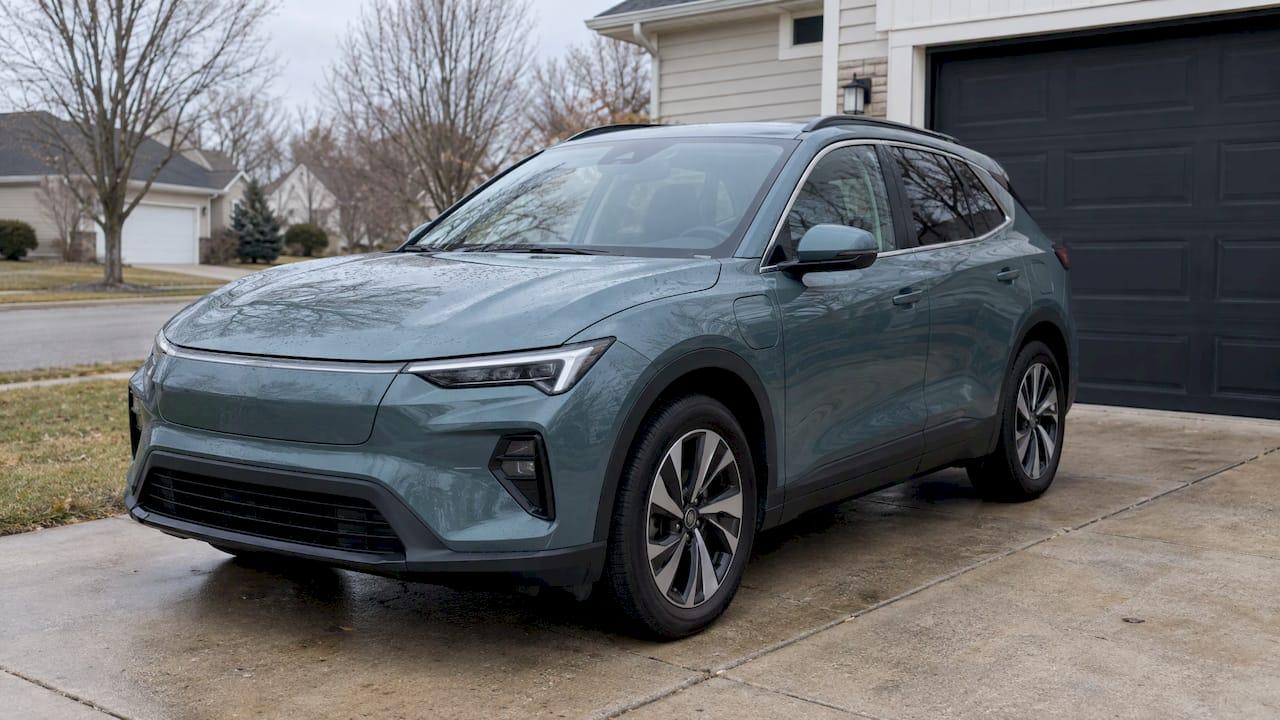
An electric car does not need a special kind of policy. You buy the same core coverages you would for any car, but the details that matter are different: battery damage, a home charger, roadside towing and a higher premium. The best way to get those details right is to compare the exact model across many carriers and have someone explain the fine print in plain language. At Geneva Insurance Group we compare coverage across more than 25 A-rated carriers, and our free policy review checks an existing policy for gaps before you switch.
TL;DR
- Electric cars use standard auto coverage. State law sets the liability minimum, and lenders usually add collision and comprehensive.
- Premiums run higher. Studies put the gap between roughly 42% and 49% nationally, and it varies a lot by state and model.
- The battery and the charger are where gaps hide. Ask how each is treated and under which policy.
- Comparing quotes for your exact vehicle is the single biggest lever on price.
- Business owners who put EVs on the road should review commercial auto and charging equipment together.
Table of Contents
- Do electric cars need special insurance?
- How much does electric car insurance cost?
- Why electric cars can cost more to insure
- What to ask about the battery, the charger and roadside help
- How to lower the cost without leaving gaps
- What goes into an electric car insurance quote
- Insuring electric vehicles for a business
- Compare your EV coverage with us
- Our view on insuring an EV
- FAQ
- Sources
Do electric cars need special insurance?
No. Kelley Blue Book notes that electric cars do not require a special policy. You need the liability coverage your state requires, and you should consider collision, theft and uninsured motorist protection on top.
Here is how the pieces fit together:
- Liability pays for injury and property damage you cause to others. Every state sets its own minimum limits, and the minimums differ widely.
- Collision pays to repair or replace your car after a crash, minus your deductible.
- Comprehensive covers non-crash losses such as theft, fire, flooding, falling objects and vandalism.
- Uninsured and underinsured motorist coverage protects you when the other driver has too little insurance or none.
- Medical payments or personal injury protection are available or required in some states.
If you finance or lease the car, the lender will almost certainly require collision and comprehensive. Even without a lender, an EV often carries a higher price than a comparable gas car, so carrying only the state minimum leaves you paying for most of a total loss yourself. Our auto insurance page lays out these coverages, and our guide to choosing coverage limits explains how to set liability limits that match what you could lose.
How much does electric car insurance cost?
More than a similar gas car, on average. The exact gap depends on who measured it and how.
| Source | EV average | Gas-car average | Difference |
|---|---|---|---|
| CNBC Select, 2026 | $4,058 per year | $2,732 per year | 49% more |
| CarBuzz, citing Insurify, 2026 | $3,159 per year | $2,218 per year | 42% more ($941) |
The National Association of Insurance Commissioners, the state regulators' body, reports that electric cars cost about $49 more per month on average than SUVs in the US. It also notes that the Tesla Model Y and Model 3 have shown up in some consumer comparisons as among the pricier EVs to insure.
Where you live changes the picture a great deal. CarBuzz reports the biggest differences between EV and gas-car premiums in Massachusetts, New York, Rhode Island, Oregon and New Jersey. In Washington, DC, full coverage averages $6,394 for EVs against $4,124 for gas cars. In states such as Nebraska and Wisconsin the difference is minimal. The same report names Mercedes-Benz, Tesla and BMW models among the most expensive to insure.
Treat any average as a starting point. Your own rate depends on the car, your record, your ZIP code and the coverages you choose, so the only number that counts is a quote for your exact vehicle.

Why electric cars can cost more to insure
The NAIC points to a handful of cost factors:
- Higher vehicle values. A more expensive car costs more to replace after a total loss.
- Specialized repairs. EV work can need technicians with specific training.
- Battery cost. The NAIC says the battery can represent up to 50% of an EV's price.
- Parts availability. Waiting on parts lengthens repairs and raises claim costs.
- Shop capacity. Fewer repair facilities are equipped to service EVs.
Battery damage can also be hard to judge after a crash, so a seemingly minor collision does not always produce a small claim. That is why insurers price the risk higher, and why the trend matters. Janet Ruiz of the Insurance Information Institute told CNBC Select that as EVs become more common and more shops can handle them, insurance for electric cars is moving closer to that of gas cars. If you are shopping for a new EV, the gap may narrow over time, which is one more reason to re-compare at every renewal.
What to ask about the battery, the charger and roadside help
This is where an EV policy deserves a closer read. The coverage names are the same as for any car, but the questions are specific.
The battery
A standard auto policy generally responds to battery damage caused by a covered event, such as a collision or a fire, through collision or comprehensive coverage, subject to your deductible. Ordinary wear and gradual loss of capacity are maintenance matters, not insurance claims. Ask the agent three things:
- How does the policy treat battery damage after a covered crash?
- Does the carrier repair or replace the pack, and does that depend on the car's age?
- Is any EV-specific endorsement available for battery-related protection?
The home charger
A charger bolted to your garage wall is part of your home. A portable cord you carry in the trunk travels with the car. Those can fall under different policies, and the split is a common place for a gap to appear. When you insure the car, confirm where each piece of charging equipment sits and whether a stolen or damaged charger would be covered. If you own a house or condo, the homeowners and condo insurance page is the place to review the home side. Renters can check renters coverage for the personal-property side, and Coverage C explained shows how belongings are handled.

Because we place both your auto and home coverage, we can look at the two policies side by side and check that nothing falls between them.
Roadside assistance
A flat battery is not the same as a dead gas tank. A tow truck may need to move the car on a flatbed, and you may want it taken to a charger or an EV-capable repair shop. Ask whether the roadside coverage on your policy is built for that.
Gap insurance and new-car replacement
New EVs lose value quickly, and if the car is totaled early, the payout can be less than what you still owe. If you finance or lease, look at gap insurance, which is designed to cover the difference between the car's value and the remaining loan balance. Ask also whether a new-car replacement option is available if the car is totaled soon after purchase.
How to lower the cost without leaving gaps
Cutting the premium is easy if you cut coverage. The goal is to cut it without creating a hole. These are the moves that hold up.
- Compare quotes on the exact model. The same carrier can price a Model 3 and a Bolt very differently. Kelley Blue Book lists shopping around and comparing multiple insurers first. An independent agency does this for you across many carriers with one set of questions.
- Raise your deductible, within reason. A higher deductible lowers the premium, but only choose one you could pay tomorrow from savings.
- Ask about discounts. Safe-driving, multi-policy bundling, multi-vehicle and accident-forgiveness discounts are all worth asking about. Bundling auto with home or renters is often the simplest.
- Look at usage-based programs. The NAIC says some insurers and automakers offer telematics-based programs in select states that use driving data to help price coverage. Availability and the effect on your premium vary by insurer, state, driver and vehicle.
- Check for incentives. KBB also suggests looking for state EV tax credits or rebates and utility discounts on charging rates. These do not reduce your premium, but they reduce the total cost of ownership.
- Re-shop at renewal. As repair networks grow and carriers learn more about EV claims, the best price for your car can change.
What you should not cut: liability limits, uninsured motorist protection and, if you have a loan, gap coverage. Those are the coverages that protect your savings when something goes wrong.
What goes into an electric car insurance quote
Expect the underwriter to look at the following:
- The vehicle's purchase price, specialized parts and repair costs, and theft trends for that model
- Your driving record and history
- Where the car is garaged
- The coverages, limits and deductible you select
- In many states, a credit-based insurance score
Have the VIN or exact trim ready, because EV trims with larger batteries or advanced driver-assistance systems can price differently. Also know your garaging address, how many miles you drive and whether you charge at home. The more accurate the answers, the less a quote moves later.
A short checklist before you buy the car
- Get a quote for the exact EV before you sign the purchase contract.
- Ask how battery damage from a covered loss differs from normal wear.
- Confirm what roadside coverage includes for towing and charging.
- Clarify how a home charger and a portable cord are handled across your auto and home policies.
- Review deductibles and limits against your budget.
Insuring electric vehicles for a business
A company that adds an EV to its fleet, whether it is one sales car or a delivery van, needs a commercial auto policy rather than a personal one. The coverages mirror the personal side: liability, physical damage and uninsured motorist. On top of those, think about what is specific to electric:
- Charging equipment at the workplace. Chargers installed at a shop, depot or office are business property, so review them with your commercial property coverage.
- Towing and downtime. A van that is off the road is revenue lost. Ask how the policy handles towing to a repair facility that can service EVs and what happens while the vehicle is out of service.
- Higher values. Make sure the declared value on each vehicle reflects what it would cost to replace.
- Liability limits. A business with employees driving needs higher limits than the minimum, and an umbrella layer may fit.
Fleet owners also tend to pair insurance with telematics. Modern GPS tracking for fleet vehicles gives you location, trip and mileage reporting, geofencing and alerts, which helps you manage vehicles and know where a stolen one is.
For trucks, delivery and logistics operations, our transportation insurance page covers that sector, and the business insurance page outlines the wider program.
Compare your EV coverage with us
If you are buying an EV or already own one, we start with what you have. Our free policy review analyzes your existing coverage and identifies gaps, with no obligation and no fee. If you want pricing, we compare options for your exact vehicle across more than 25 A-rated carriers and explain each one in plain language. Start with the free policy review, or go straight to insurance quotes.

We are licensed in 17 states, and if you need to file a claim later, we advocate for you through the process.
Our view on insuring an EV
Most people shop for an EV insurance policy the way they shop for any car policy: they look at the price and nothing else. With an electric car, the price is the least interesting number on the page.
What we care about is whether the policy explains what happens to the battery after a covered loss, who pays for the charger on your garage wall, and whether your roadside coverage is ready for a flatbed and a charging stop. Those answers differ from carrier to carrier, and nobody can see them from a single quote.
That is why we compare across many A-rated carriers and put the answers in plain English. We also stay with you when a claim happens, because that is the moment a policy proves its worth.
Bring us your current policy and the car you are considering. We will show you the gaps and the options, and you decide.
David
FAQ
Is insurance more expensive for an electric car?
On average, yes. National studies put the premium difference at roughly 42% to 49% above a similar gas car, though in some states the gap is small. Your own price depends on the model, your record and where you live, so get quotes for the exact vehicle.
Does car insurance cover an EV battery?
A standard policy generally covers battery damage caused by a covered event such as a crash or fire, under collision or comprehensive and minus your deductible. Normal wear and gradual capacity loss are not insured events. Ask about any EV-specific endorsements when you compare quotes.
Is a home charger covered by my car insurance?
A portable cord that travels with the car is typically an auto-policy question, while a permanently installed home charger is usually a home, condo or renters question. Because the two can differ, confirm the treatment of both when you review your policies.
Do I need gap insurance on an EV?
If you finance or lease, it is worth considering. A new EV can be worth less than your loan balance after a total loss, and gap coverage is designed to cover that difference. You can read more on our gap insurance page.
Sources
- Does It Cost More for Electric Car Insurance? (Kelley Blue Book)
- Electric Car Insurance: What You Need to Know (CNBC Select)
- Electric Vehicle Insurance Rates (National Association of Insurance Commissioners)
- EV insurance costs compared with gas cars (CarBuzz)