
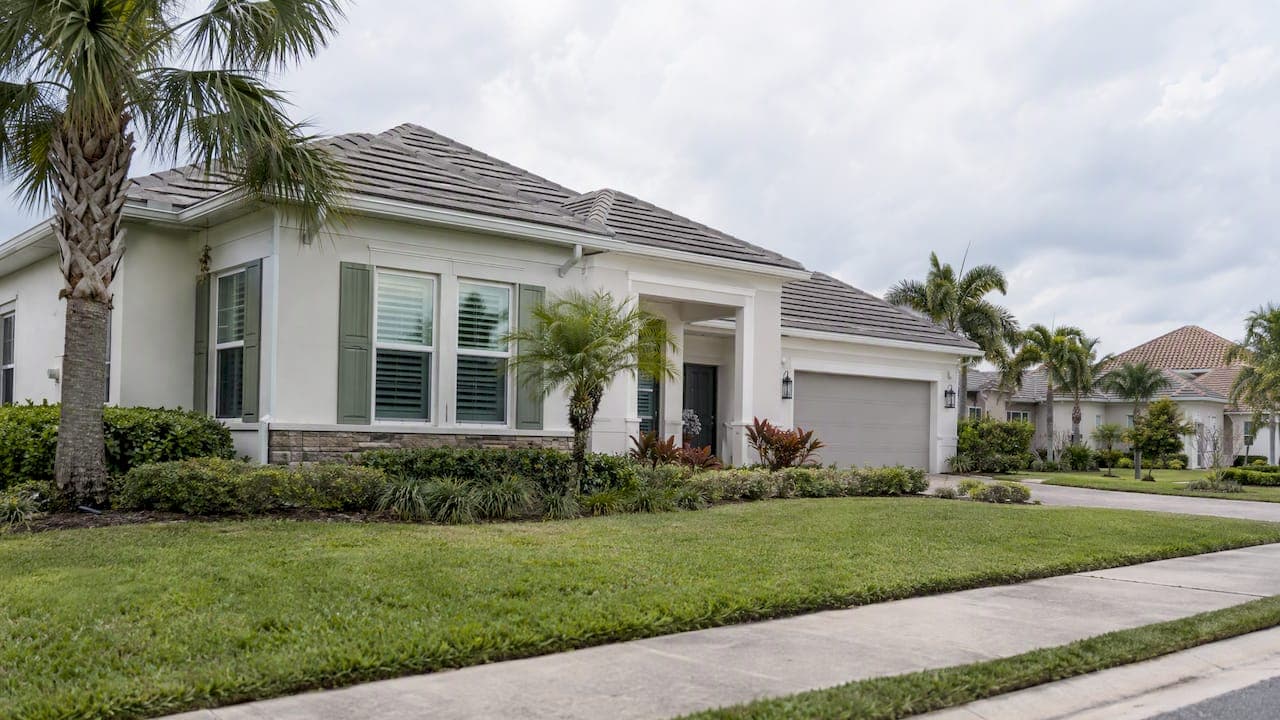
Wind mitigation credits are discounts Florida requires insurers to offer when your home has features that resist hurricane winds, such as a strong roof-to-wall connection, a secondary water barrier, impact-rated windows or shutters. You earn them by getting a wind mitigation inspection, handing the signed form to your insurer or agent, and making sure the credits land on the windstorm portion of your premium. Since April 1, 2026, that inspection has to be documented on a revised form, so older reports deserve a second look.
TL;DR
- Florida law directs insurers to give premium discounts for documented hurricane loss mitigation features. The credit applies to the windstorm part of your premium, not the whole bill.
- Inspections done on or after April 1, 2026 must use the updated OIR-B1-1802 (Rev. 04/26) form.
- Only certain licensed professionals can sign the form. Inspectors cannot pay agents for referrals, and agents cannot accept payment.
- A new roof, windows or doors can change your results, so get a fresh inspection after major work.
- Clear your attic hatch before the inspector arrives. Without attic access, you can lose the biggest credits.
Table of Contents
- What wind mitigation credits are, and what they are not
- The inspection: what it is and who can do it
- The new form: what changed on April 1, 2026
- Features the form checks, and why each matters
- Prepare for inspection day
- How to claim the credit, step by step
- How long an inspection lasts
- Our perspective
- Questions to ask your agent before you renew
- Planning a roof or window project?
- FAQ
- Sources
What wind mitigation credits are, and what they are not
Florida's Legislature has said it wants insurers to pass savings to people who strengthen their homes against wind. That intent is written into the residential property rate filing statute, and the Office of Insurance Regulation turned it into a discount schedule that insurers must follow. Admitted insurers also have to give you a notice of available discounts when a new residential policy is issued and at every renewal.
Three points trip people up.
The credit hits the windstorm premium only. Many homeowners assume a 40% credit means 40% off the whole bill. It does not. The discount applies to the hurricane or windstorm component of the policy. It does not reduce the liability, theft, water damage or other coverage portions. In high-risk coastal areas the windstorm piece can be a big share of the total, which is why the savings can still be large. In a lower-risk inland county, the same features may be worth less in dollars.

Credits are not automatic. Your insurer cannot credit features it has no documentation for. The inspection form is the proof.
The amount varies. The state publishes ranges, and each insurer files its own figures. Two neighbors with identical roofs can see different dollar savings because their carriers rate differently.
The inspection: what it is and who can do it
A wind mitigation inspection, formally the Uniform Mitigation Verification Inspection, is a visual check of the features that matter in a windstorm. It is not a general home inspection and it does not judge whether your roof is in good shape. It documents how the home is built.
Who can sign the form
Under section 627.711 of the Florida Statutes, the form can be completed only by authorized people. That includes:
- licensed home inspectors who completed state-approved hurricane mitigation training and passed the proficiency exam
- licensed building code inspectors
- general, building or residential contractors
- professional engineers and architects
Insurers are not supposed to accept a form from anyone outside that list. If you are hiring, ask for the license number and check it before you pay. A reputable residential home inspection service will explain what its inspectors document and how the report supports your insurance paperwork.
No kickbacks
The same statute bars an inspector from offering, and an agent from accepting, any payment or inducement for referring you to an inspection company. That is good for you: the person looking at your roof has no financial reason to shade the findings. It also means we will not steer you to an inspector for a fee. We will tell you what to ask for and let you choose.
Free inspections through the state
The state-run My Safe Florida Home program offers free wind mitigation inspections and, for eligible homeowners, grants of up to $10,000 toward approved upgrades such as roof improvements, impact windows and doors, garage door reinforcement and a secondary water barrier. Funding rounds and eligibility rules change, so check the program site for the current application window before you plan around it. For many people, the free inspection alone is worth the application, because the report both documents what you have and lists what to improve.

What a private inspection costs
Prices differ by region, home size and inspector, and we have no verified current Florida average to give you. Get two or three quotes. Ask whether the price includes the form itself, photos and a copy for your insurer.
The new form: what changed on April 1, 2026
The Office of Insurance Regulation revised the form. Inspections conducted on or after April 1, 2026 use OIR-B1-1802 (Rev. 04/26), and per the state's wind mitigation resources page the previous 2012 revision is no longer valid for new inspections. The new form requires more documentation and photographic evidence for the features it verifies.
What that means for you:
- An old form is still a record, not a new inspection. If your insurer is already applying credits from a prior form, ask whether it needs anything at renewal. Do not assume.
- Expect a more detailed report. Inspectors need photos, and the roof and attic sections are where documentation matters most.
- Do not accept the old form from a new inspector. If someone hands you a Rev. 01/12 form for an inspection done after April 1, 2026, send it back.
Features the form checks, and why each matters
The form scores the structure of your home, not your furniture or shutters in the garage. Exact point values and credits differ by insurer, so use this as a map of where the money tends to be.
| Feature | What the inspector looks for | Why it matters |
|---|---|---|
| Building code year | When the home was permitted and which Florida Building Code applied | Newer code homes already include many wind-resistant features |
| Roof covering | Product approval or permit date | Shows whether the roof meets wind standards |
| Roof deck attachment | Nail size and spacing, seen from the attic | Decides how well the deck holds in uplift |
| Roof-to-wall connection | Toenails, clips or single or double wraps | Often one of the largest credits |
| Roof shape | Hip, gable or other | Hip roofs tend to perform better in wind |
| Secondary water barrier | Sealed roof deck or approved underlayment | Limits water entry if shingles are lost |
| Opening protection | Impact windows, doors, shutters, garage doors | Keeps wind from entering and pressurizing the house |
A note on the code year: the state's discount guide explains that homes built to the 2001 Florida Building Code or later already carry many mandated wind-resistant features, while older homes can still earn discounts by retrofitting. The roof-to-wall connection and opening protection are where retrofits often make the difference.
Prepare for inspection day
A few minutes of preparation can protect hundreds of dollars a year in credits.
- Clear the attic hatch. Inspectors must see the attic to verify roof-deck and roof-to-wall attachment. Citizens Property Insurance notes that safe attic access is essential. If the hatch is blocked or unsafe, those credits can be denied even if the construction is sound. Move boxes, and make sure a ladder will fit.
- Gather paperwork. Roof permits, window and door product approvals, shutter specs and contractor invoices help prove what you have.
- Unlock everything. Garage, shed or any area that holds a feature needs access.
- Ask the inspector to explain findings. If the report shows a feature as absent that you know you have, say so before the visit ends.
How to claim the credit, step by step
- Book the inspection. Use an authorized professional or apply to the state program.
- Review the form. Check the address, dates and each box against what you know about the house.
- Send it to your insurer or agent. Ask for written confirmation of which credits were applied and the new windstorm premium.
- Compare the result. If the credit seems low, ask your agent whether another carrier rates your features more favorably.
- Keep records. Store receipts, permits and the form in one place.
How long an inspection lasts
A wind mitigation inspection can be valid for up to five years, but it is not a five-year shield. Per the state's wind mitigation guidance, a material change such as a new roof, windows or doors effectively replaces the earlier picture. If you strengthen the house, schedule a new inspection so your credits reflect it. If a roof replacement lowers your score instead (for example, because of how the work was done), you want to know that too.
Insurers also have a statutory right to re-verify an inspection at their own expense through a third-party quality assurance provider, as section 627.711 describes. That is why receipts, permits and product specs matter. If the insurer questions a finding, paper beats memory.
Our perspective
After years of reviewing policies side by side, we see the same pattern. People pay for an inspection, file the form, and never check whether the credit actually shows up on the declarations page. Or they get the credit once and never revisit it after a new roof.
Because we are independent and compare more than 25 A-rated carriers, we can show you something a single-company agent cannot: how the same inspection results translate into different premiums at different carriers. A strong roof-to-wall connection is worth more to some underwriters than to others. That is a reason to compare, not to assume.
We also think the credit should be explained in plain terms. Ask what share of your premium is windstorm, what credits are applied, and what a new inspection could change. If your agent cannot answer, that is information too.
And we stay out of the inspection business on purpose. Florida law prohibits referral payments between inspectors and agents, and our job is to read the report with you, not to sell you the inspector.
— David
Questions to ask your agent before you renew
- Which credits are on my policy now, and from which inspection date?
- Is my form the current revision, and does my insurer need an updated one?
- What portion of my premium is windstorm?
- If I replace the roof or add impact windows, how much could the premium change?
- Would another carrier give more credit for what my home already has?
If your answers feel thin, our free policy review checks your current coverage and flags gaps without obligation. When you are ready to see how your inspection results price across carriers, you can request homeowners quotes or read about our Florida insurance options. If you are weighing a move, our guide to when to switch home insurance covers the warning signs.
Planning a roof or window project?
Call your agent before the contractor starts. Changes to the roof or openings affect both the credits and the way your policy treats the work in progress. Our article on home renovation insurance before work starts explains what to check, and the right sequence is usually: confirm coverage, do the work, keep every receipt, then book a new inspection.
FAQ
How much discount can I get for wind mitigation in Florida?
There is no single number. The state publishes ranges of windstorm premium credits, and each insurer files its own figures. The result depends on your home's features, your location and your carrier. Ask for a written breakdown after you submit your form.
How do I get a free wind mitigation inspection in Florida?
The My Safe Florida Home program offers free inspections to eligible homeowners. You apply, and if approved an authorized inspector is assigned to your home. Check the program site for current availability, because funding rounds change.
How long is a wind mitigation inspection good for?
It can be valid for up to five years. If you replace the roof, windows or doors, or otherwise change the features the form scores, get a new inspection so your credits match the home as it stands.
Do wind mitigation credits apply to my whole premium?
No. They apply to the windstorm portion of a homeowners policy. They do not lower the other coverage portions. Your declarations page or your agent can show how the windstorm piece is priced.
Sources
- Florida Office of Insurance Regulation: Wind Mitigation Resources
- Florida Office of Insurance Regulation: Premium Discounts for Hurricane Loss Mitigation
- Florida Statutes, section 627.711
- Florida Statutes, section 627.0629
- Florida Department of Financial Services: Mitigation Notices, Inspections and Forms
- Citizens Property Insurance: Uniform Mitigation Verification Inspection Form Changes
- Citizens Property Insurance: Your Wind Mitigation Inspection
- My Safe Florida Home